Regions covered
Our guide covers parks and attractions across different European regions, each offering unique characteristics and experiences. From the Mediterranean coast to the Nordic countries, European parks reflect local culture, natural landscapes, and entertainment traditions.
Includes France, Belgium, Netherlands, and the United Kingdom. This region features internationally renowned theme parks, with a strong emphasis on themed experiences and family entertainment.
Covers Austria, Switzerland, Czech Republic, and surrounding countries. Parks here often combine alpine scenery with themed attractions, creating unique mountain-themed experiences.
Encompasses Scandinavian countries and the Baltic region. These parks frequently integrate natural landscapes with entertainment, offering distinctive approaches to outdoor recreation.
Includes Spain, Italy, Portugal, and Mediterranean countries. Parks in this region often take advantage of coastal locations and warm climates, featuring water attractions and outdoor experiences.
Comparing selected parks
| Park / Area | Country | Main experience | Season highlights |
|---|---|---|---|
| Disneyland Paris | France | Family / Mixed | Year-round with seasonal events |
| Alton Towers | United Kingdom | Mixed (thrill/family) | March - November |
| PortAventura World | Spain | Mixed | Year-round, peak summer |
| Efteling | Netherlands | Family / Scenic | Year-round with winter events |
| Liseberg | Sweden | Mixed | April - October, Christmas events |
| Tivoli Gardens | Denmark | Scenic / Family | April - September, Halloween, Christmas |
| Gardaland | Italy | Mixed | March - November |
| Energylandia | Poland | Thrill rides / Family | April - October |
Types of parks in Europe
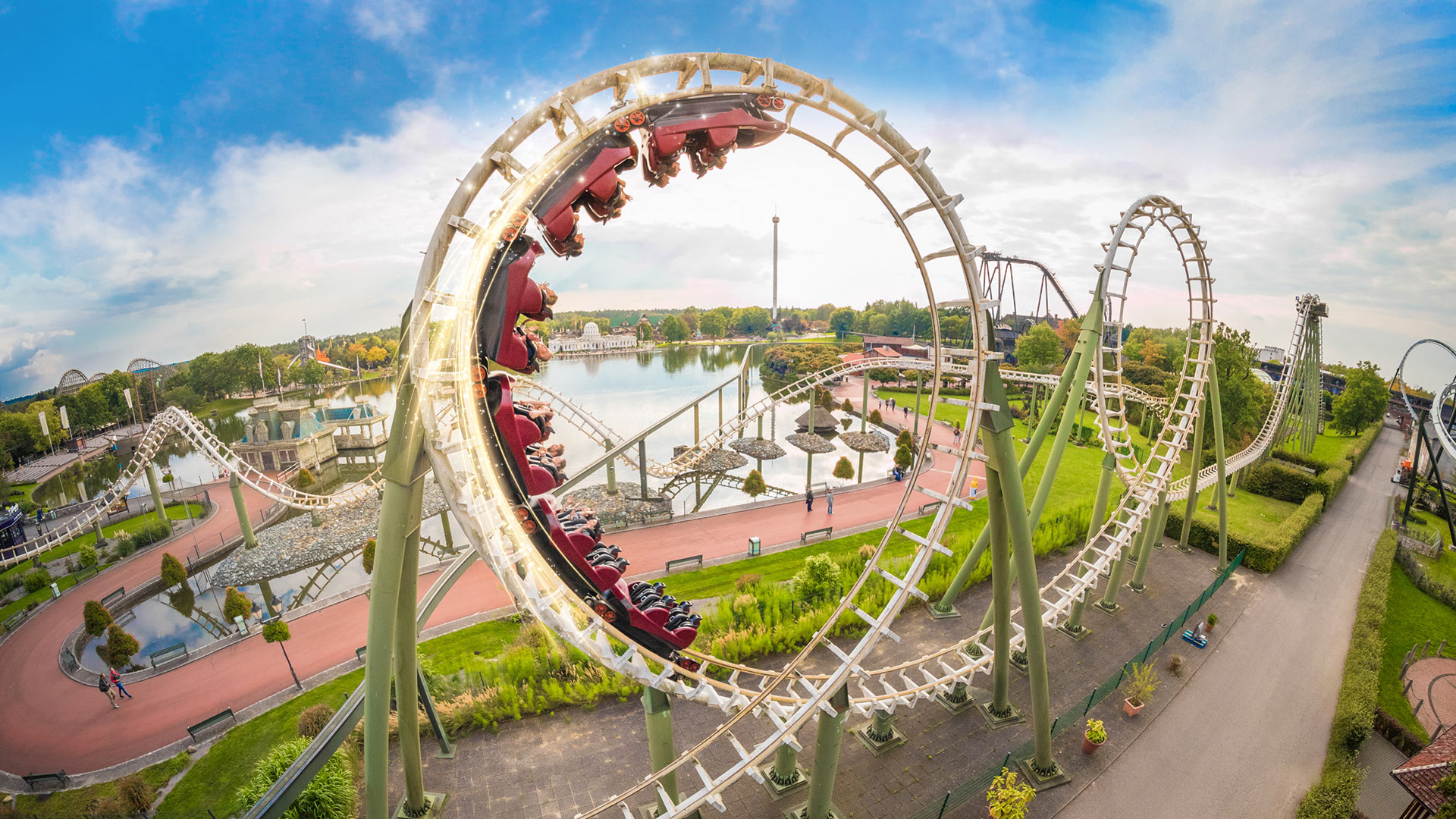
Large theme parks
Major international parks with extensive themed areas, numerous attractions, hotels, and multiple days of entertainment. These parks often serve as destinations in themselves, combining entertainment, dining, and accommodation.

Smaller regional parks
Medium-sized parks focused on specific themes or regions. These often offer a more intimate experience, with strong local character and attractions that reflect regional culture and preferences.
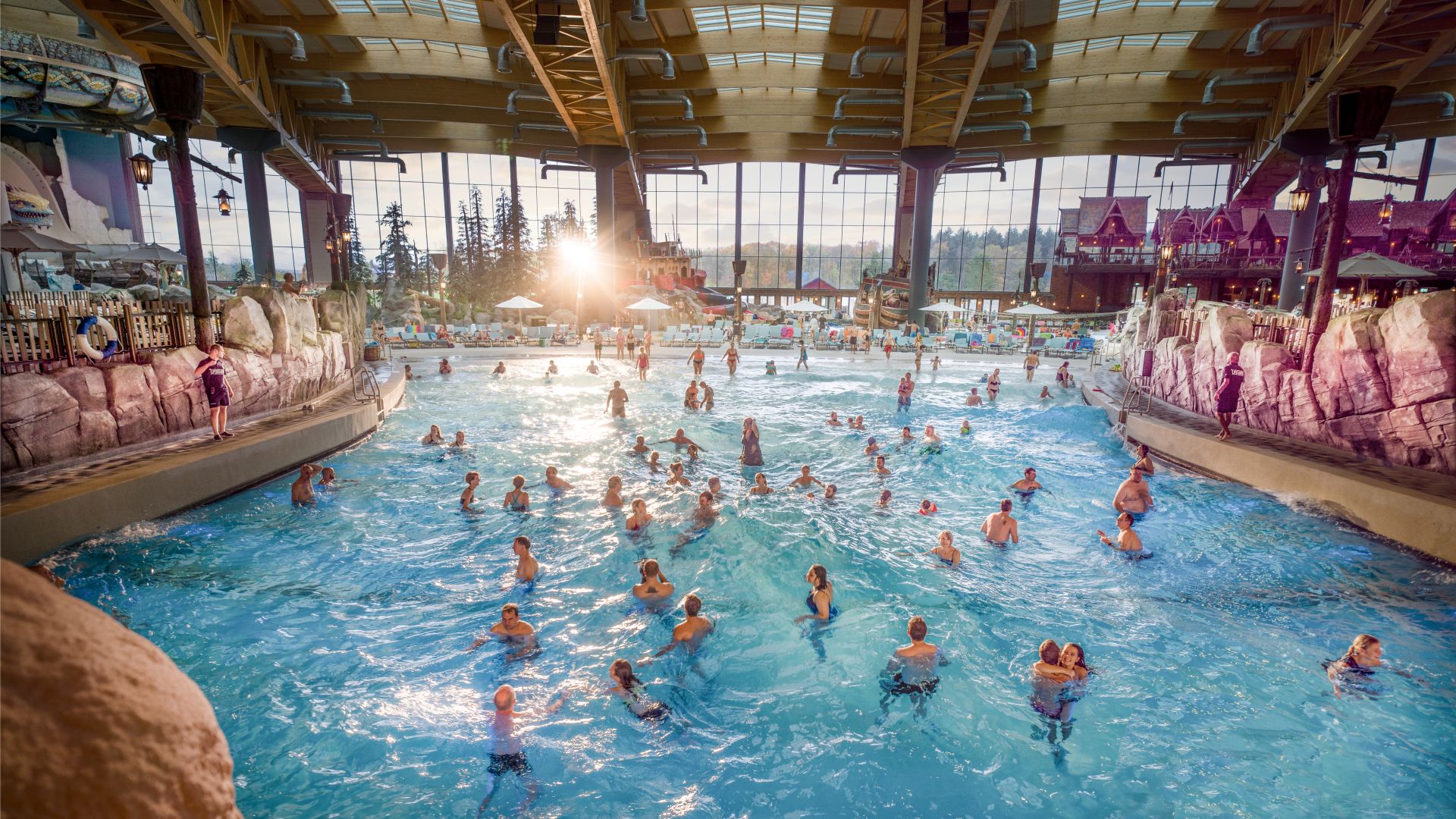
Water parks
Dedicated water attractions featuring slides, pools, lazy rivers, and water-based entertainment. Many are seasonal, operating during warmer months, and some are combined with traditional theme park elements.
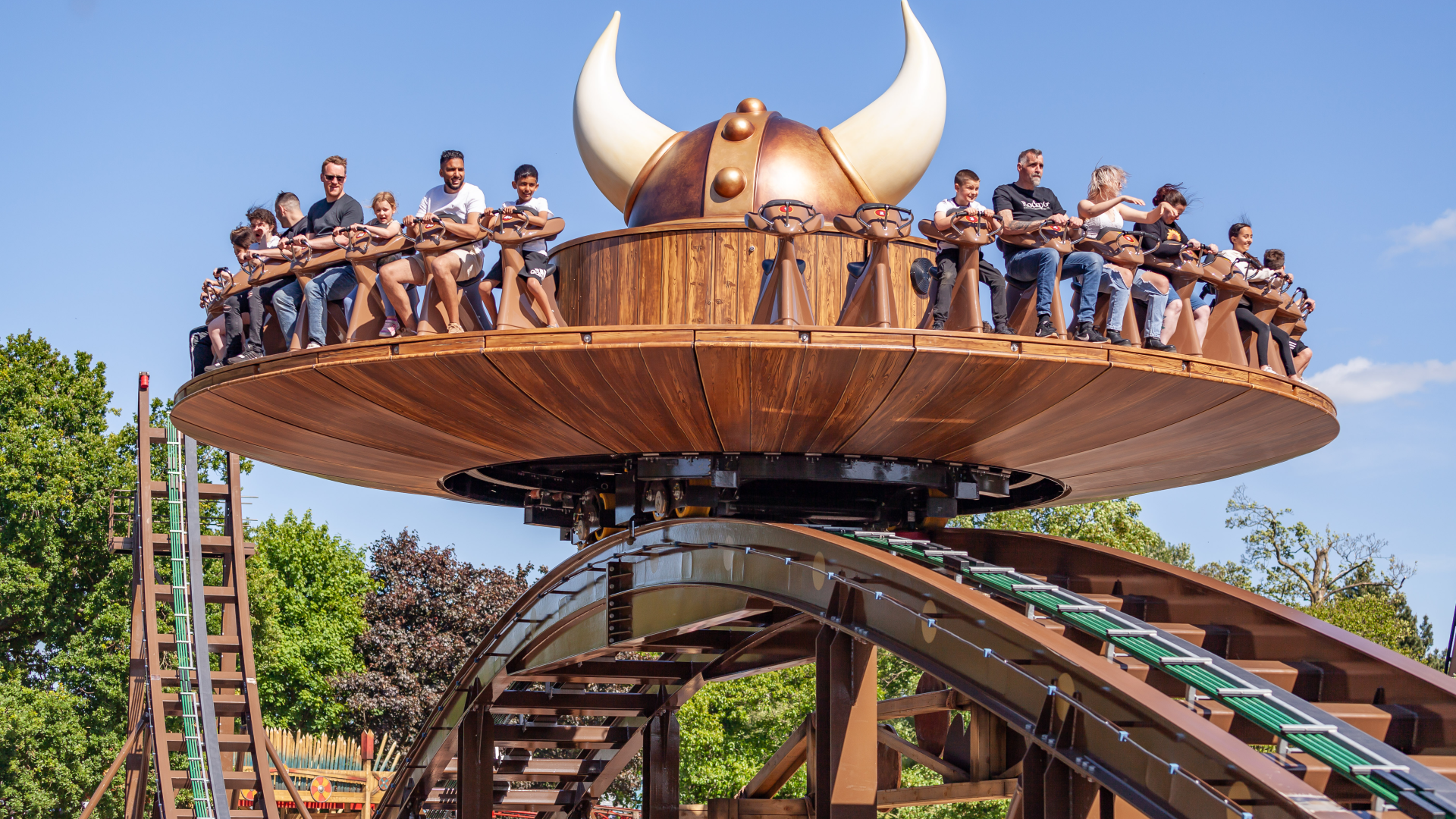
Nature and adventure parks
Parks that emphasize outdoor activities, natural settings, and adventure experiences. These combine entertainment with environmental education, hiking, climbing, and nature observation opportunities.
Travel patterns and combinations
Weekend trip
A short weekend visit focusing on one major park or two smaller parks in the same region. Ideal for a quick getaway, combining park visits with local sightseeing or relaxing in nearby areas.
Long weekend with two parks
Extended weekend covering two parks, either in the same country or neighboring regions. Allows for comparison of different experiences while maximizing time for exploration and relaxation between visits.
Park visit combined with city sightseeing
Combine theme park experiences with cultural exploration. Visit a park for one or two days, then spend time exploring nearby cities, museums, historical sites, or natural attractions, creating a balanced travel experience.
Practical notes by region
Weather patterns
Northern and Central European parks experience more variable weather, so pack layers and rain protection. Southern European parks benefit from warmer, more predictable climates, especially in summer months. Always check weather forecasts and pack accordingly.
Typical opening months
Most parks operate from spring through autumn, with peak season in summer. Some parks offer year-round operation with seasonal events. Southern European parks may have longer seasons, while Nordic parks have shorter, more weather-dependent schedules.
Public transport vs car usage
Parks near major cities often have excellent public transport connections. Parks in more rural or scenic locations typically require car access. Many European countries have efficient train networks, making car-free travel feasible for city-adjacent parks.