Regions and park clusters
North Germany
Coastal areas and nature parks. This region features attractions near the Baltic and North Sea, with a focus on outdoor experiences, wildlife parks, and family-friendly destinations set in natural landscapes.
East Germany
Culture and history combined with entertainment. Parks in this region often incorporate historical themes, cultural elements, and traditional craftsmanship alongside modern attractions.
West Germany
Large parks near major cities. This area hosts some of Germany's most famous theme parks, easily accessible from urban centers, offering a mix of thrilling rides and themed experiences.
South Germany
Mountains and theme parks. The southern region combines alpine scenery with entertainment, featuring parks that take advantage of the beautiful landscapes and mountain views.
Selected parks and attractions
| Park name | Region | Main focus | Approximate visit duration |
|---|---|---|---|
| Europa-Park | Baden-Württemberg | Thrill rides / Themed areas | Full day |
| Phantasialand | North Rhine-Westphalia | Thrill rides / Family areas | Full day |
| Heide Park | Lower Saxony | Thrill rides / Nature | Full day |
| Legoland Deutschland | Bavaria | Family areas / Children's zones | Full day |
| Hansa-Park | Schleswig-Holstein | Family areas / Nature | Full day |
| Belantis | Saxony | Family areas / Themed worlds | Half-day / Full day |
| Movie Park Germany | North Rhine-Westphalia | Thrill rides / Themed worlds | Full day |
| Schwarzwaldpark | Baden-Württemberg | Nature / Family areas | Half-day |
Types of attractions in Germany
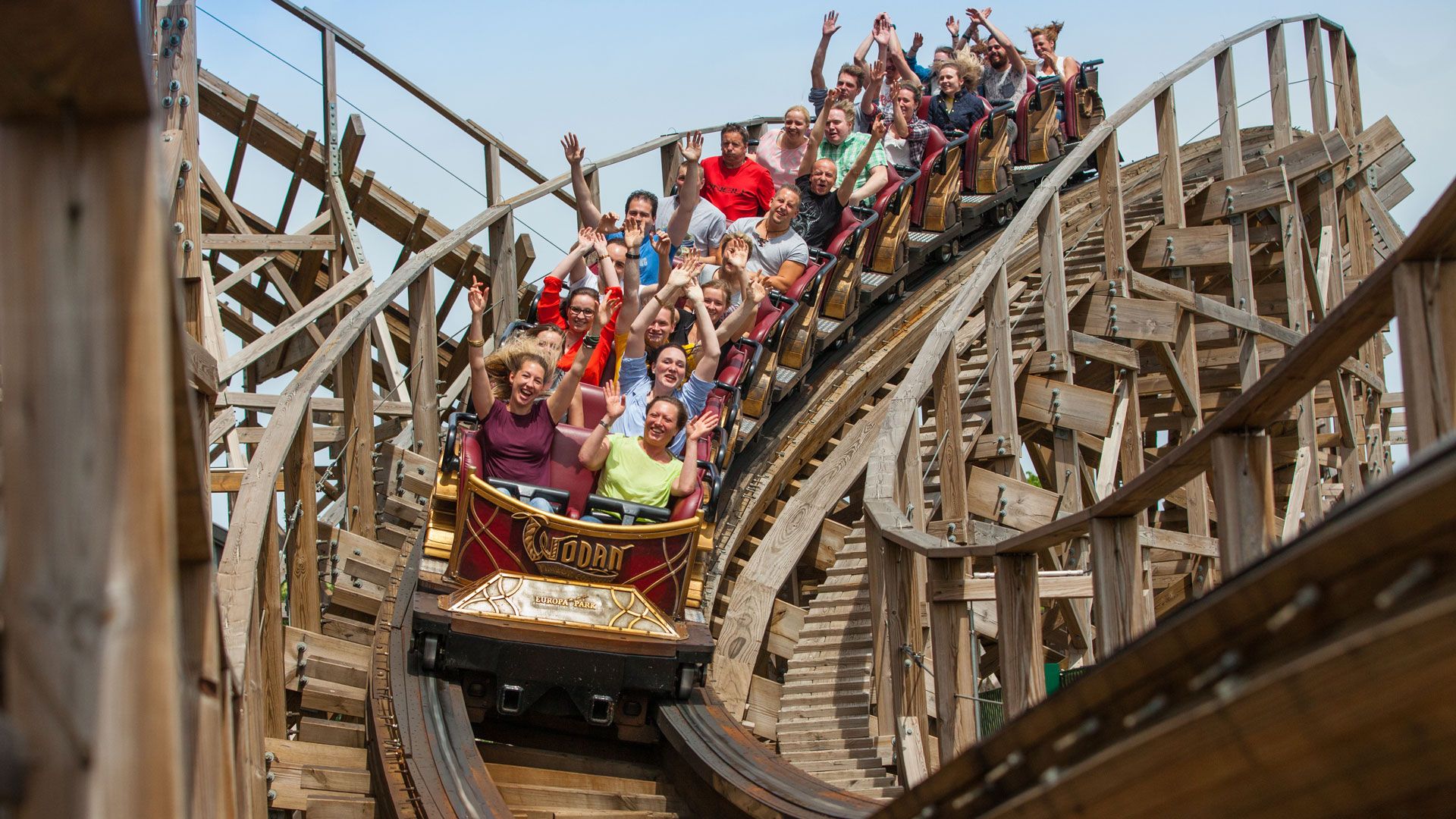
Coasters and thrill rides
Germany is home to some of Europe's most impressive roller coasters, ranging from record-breaking speed coasters to themed dark rides. These attractions cater to thrill-seekers looking for adrenaline-pumping experiences with varying intensity levels.
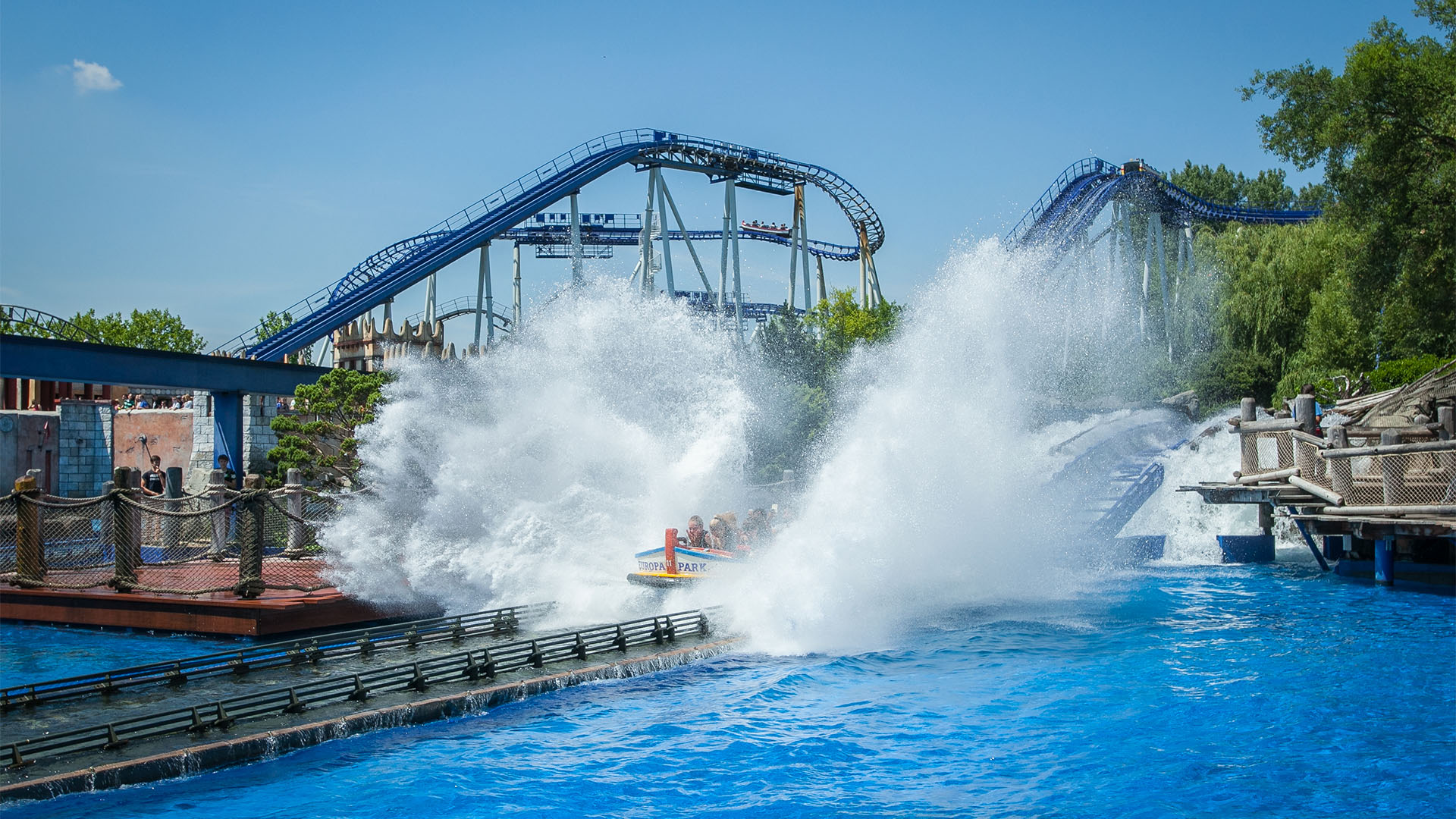
Family areas and children's zones
Many parks feature dedicated areas designed specifically for families with younger children. These zones typically include gentle rides, playgrounds, interactive elements, and attractions that allow parents and children to enjoy experiences together.
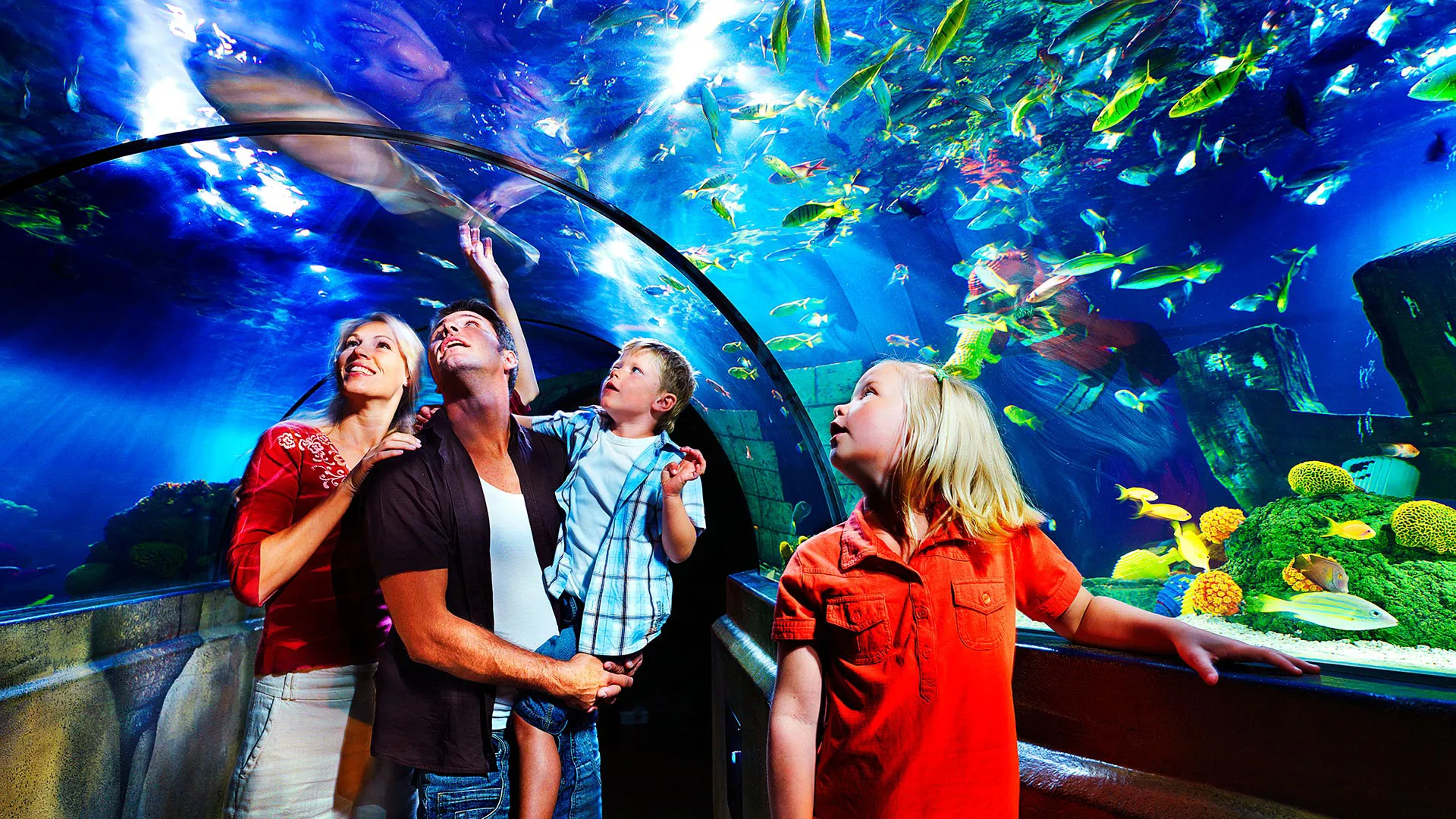
Indoor halls and themed worlds
Several parks offer extensive indoor areas that provide shelter from weather conditions while maintaining the entertainment experience. These spaces feature themed environments, rides, shows, and interactive experiences in climate-controlled settings.

Nature-focused parks and trails
Beyond traditional theme parks, Germany offers numerous nature parks and scenic attractions that combine outdoor recreation with themed experiences. These locations emphasize natural beauty, walking trails, wildlife observation, and outdoor activities.
Example of a one-day visit
Arrival and orientation
Arrive early to avoid crowds. Take time to review the park map, identify key attractions you want to visit, and plan your route. Early arrival also allows you to experience popular rides with shorter wait times.
First attractions and walks
Start with major attractions or areas that tend to have longer queues later in the day. Mix thrill rides with calmer experiences, and take breaks to explore themed areas and enjoy the atmosphere.
Lunch and short break
Take a lunch break to recharge. Many parks offer various dining options. This is also a good time to rest, especially if visiting with children, and to avoid the busiest midday period at popular rides.
Afternoon rides and shows
Continue exploring different areas of the park. Consider attending scheduled shows or performances, which provide entertainment while giving you a chance to sit and rest. Visit attractions you haven't seen yet.
Evening stroll and departure
As the day winds down, take a leisurely walk through quieter areas of the park. Enjoy the evening atmosphere, visit any remaining must-see spots, and make your way to the exit before closing time.
Frequently asked questions
Most theme parks in Germany operate on a seasonal schedule, typically opening from late March or early April through October or early November. Some parks may have limited opening hours during spring and autumn months, with full operation during peak summer season. Winter openings vary, with some parks offering special winter events or limited attractions. It's recommended to check individual park websites for current season dates and hours.
Yes, most major parks in Germany feature dedicated children's areas with age-appropriate attractions. These zones typically include gentle rides, playgrounds, interactive play areas, and attractions designed specifically for toddlers and young children. Many parks also provide family rest areas, baby changing facilities, and stroller-friendly paths. Some parks have height restrictions clearly marked, making it easy to identify which attractions are suitable for younger visitors.
Many German parks have significant indoor areas, including themed halls, covered walkways, and indoor attractions that allow you to continue enjoying the park even during rain. Some parks offer shows, indoor rides, and themed experiences that are fully weather-protected. It's advisable to check the weather forecast and pack rain gear. Some parks may adjust operations or offer partial refunds for severe weather conditions, but policies vary by location.
Most major theme parks in Germany provide information in both German and English. Park maps, signage, and websites are typically bilingual. Staff at information desks usually speak English, and audio announcements at shows or attractions may be available in multiple languages. However, smaller regional parks may have more limited English-language support, so it's helpful to have some basic German phrases or use translation apps for smoother communication.
Accessibility by public transport varies by location. Some parks, particularly those near major cities, have good connections via train or bus services, sometimes with dedicated shuttle services from nearby train stations. Other parks, especially those in more rural or scenic locations, may require a car for convenient access. Many parks provide detailed public transport information on their websites, including recommended routes and connections. For parks in remote areas, car rental or organized transport may be more practical.